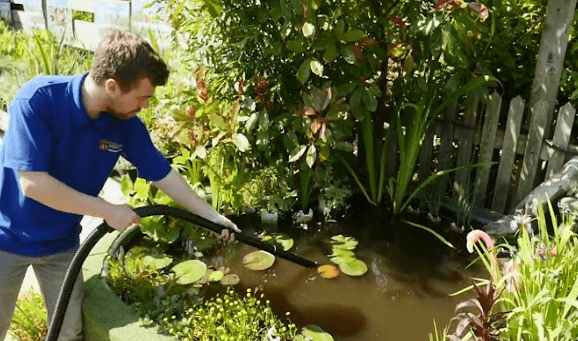
Maintaining a pond that’s both visually appealing and ecologically balanced isn’t always as straightforward as it seems. Beneath the calm surface, fluctuations in water chemistry can quietly influence the health of your aquatic environment. That’s why combining timely water testing with consistent cleaning using a Swimming Pond Vacuum is key to long-term success.
Rather than waiting for algae blooms or fish fatalities, routine care and smart monitoring can help keep everything under control. With the right timing, you’ll save yourself stress, costs, and potential damage.
Why Waiting for Trouble Is a Costly Mistake
Many pond owners delay testing water until the first signs of visible problems. Murky water, foul smells, or stressed fish usually prompt emergency action. But those symptoms often arrive when the imbalance has already intensified.
By checking the health of your water regularly, you detect subtle signs early—before they threaten your ecosystem. Even small shifts in ammonia or oxygen levels can be red flags.
Critical Times to Test and Clean Your Pond
Understanding when to test water quality—and pairing it with strategic vacuuming—can make a dramatic difference in pond health. These are the essential moments that demand your attention.
Spring: Reboot Your Pond’s Balance
As temperatures rise, so does biological activity. Fish become more active, bacteria restart their processes, and leftover winter debris begins to break down.
This seasonal shift can overload your pond with nutrients, especially if organic matter has settled at the bottom. Testing pH, ammonia, and oxygen levels gives you insight into what’s needed. A deep clean using a swimming pond vacuum removes sludge before it triggers problems.
After Rainfall: Wash-In Warnings
Heavy rain doesn’t just add water—it often brings phosphates, nitrates, and other contaminants from nearby soil and lawns. These nutrients can trigger algae blooms and cause sharp drops in oxygen levels.
Testing your water after a storm lets you catch imbalances early. At the same time, vacuuming out debris stirred up by the rainfall can help stabilize the system quickly.
Before and After Treatments: Maximize Efficiency
Whether you’re adding beneficial bacteria or applying dye to limit algae, knowing the starting water conditions ensures your treatment is effective. Post-treatment testing reveals if it worked—or caused side effects.
Complementing treatment with vacuuming boosts circulation, removes decomposed material, and gives your additives a cleaner environment to function.
When Fish Behave Strangely: Time to Act Fast
Fish gasping at the surface or hovering near the bottom aren’t just acting out—they’re reacting to stress. This can be caused by low oxygen levels, high ammonia, or poor water clarity.
Testing the water and cleaning the pond simultaneously is the fastest way to bring things back into balance. A swimming pond vacuum can help remove sludge and rotting plants, which often contribute to toxic conditions.
During Heatwaves: Beat the Burn
In extreme heat, water holds less oxygen, even as decomposition speeds up. Fish and beneficial bacteria struggle in these conditions, and algae can grow rapidly.
Frequent water testing helps you monitor oxygen and nutrient levels during these challenging periods. Regular vacuuming, especially around heavily planted zones, prevents organic buildup from overheating and decaying.
Building a Habit That Saves Time
Testing water once is useful; doing it regularly builds insight. Patterns over weeks or months—such as gradually rising nitrate levels—allow you to make smarter choices about stocking, filtration, or feeding.
It also tells you how often to vacuum your swimming pond and where organic buildup tends to concentrate. A simple notebook or spreadsheet can keep you organized without much effort.
Pairing Cleaning and Testing for Better Results
Vacuuming your pond isn’t just about removing dirt. When done routinely and paired with quality testing, it forms a comprehensive approach to pond care.
A swimming pond vacuum removes decomposed leaves, uneaten food, and sediment—reducing the load on your filtration system and improving water clarity. This physical cleaning directly supports the chemical balance you’re monitoring with your tests.
Signs That It’s Time to Vacuum
- You notice sludge accumulating at the bottom
- Water clarity is declining despite proper filtration
- Algae blooms appear more frequently
- There’s a persistent organic smell
- Fish are avoiding certain pond zones
Even if the water looks clear, there could be unseen waste building up. Vacuuming helps remove these hidden threats.
Mistakes to Avoid When Testing
- Relying only on visual clues
- Using expired test kits
- Not testing multiple zones (surface and depth)
- Ignoring trends in favor of one-time readings
- Skipping testing after applying treatments or chemicals
A full picture of pond health comes from accuracy, consistency, and patience.
Logging Data: Your Pond’s Health Diary
Recording each test result might seem tedious, but it’s the best way to notice when something is going wrong—or going right. Over time, your log becomes a roadmap of your pond’s seasonal changes, water stability, and effectiveness of treatments or cleaning.
Clearing Up Confusion
What does a swimming pond vacuum do?
A swimming pond vacuum removes sludge, decomposed organic matter, and sediment from the bottom of your pond. It improves water clarity, supports filtration, and reduces harmful bacteria growth.
How often should I vacuum my pond?
For most swimming ponds, vacuuming once every 2–4 weeks during warm seasons is ideal. In autumn or after heavy storms, more frequent cleaning may be needed.
Can I use a vacuum if I have fish and plants?
Yes. Just be gentle and avoid vacuuming too close to delicate plants or directly over fish nesting zones. Many vacuums come with attachments designed for fish-safe cleaning.
Is water testing necessary if I already clean my pond?
Absolutely. Cleaning removes physical debris, but water testing checks invisible factors like ammonia, pH, and oxygen levels—critical for fish health and plant stability.
Do I need a professional to test pond water?
Not necessarily. Home water test kits are reliable and easy to use. However, if you notice repeated imbalances or fish stress, professional analysis can offer deeper insights.
Whether you maintain your pond alone or hire professionals, integrating water testing with regular use of a swimming pond vacuum creates a balanced, low-maintenance ecosystem. It’s not just about beauty—it’s about creating a safe, thriving space for all aquatic life.
Final Thoughts
Caring for a swimming pond goes far beyond appearances. What lies beneath the surface—nutrient levels, oxygen balance, and hidden waste—can determine whether your pond thrives or declines. By combining regular water testing with the consistent use of a Swimming Pond Vacuum, you take control of your pond’s health in a way that’s proactive and sustainable.
This simple yet powerful routine helps prevent algae outbreaks, supports healthy fish, and extends the life of your pond system. Whether you’re a new pond owner or an experienced caretaker, making testing and vacuuming a regular habit is one of the smartest investments you can make for a clean, clear, and biologically balanced aquatic environment.